Running a Marathon Alone: 9 Tips to Stay Mentally Strong Until Kilometer 42
Running a marathon alone requires just as much mental strategy as physical preparation. Discover 9 practical techniques to manage doubt, stay motivated, and reach the finish line strong.
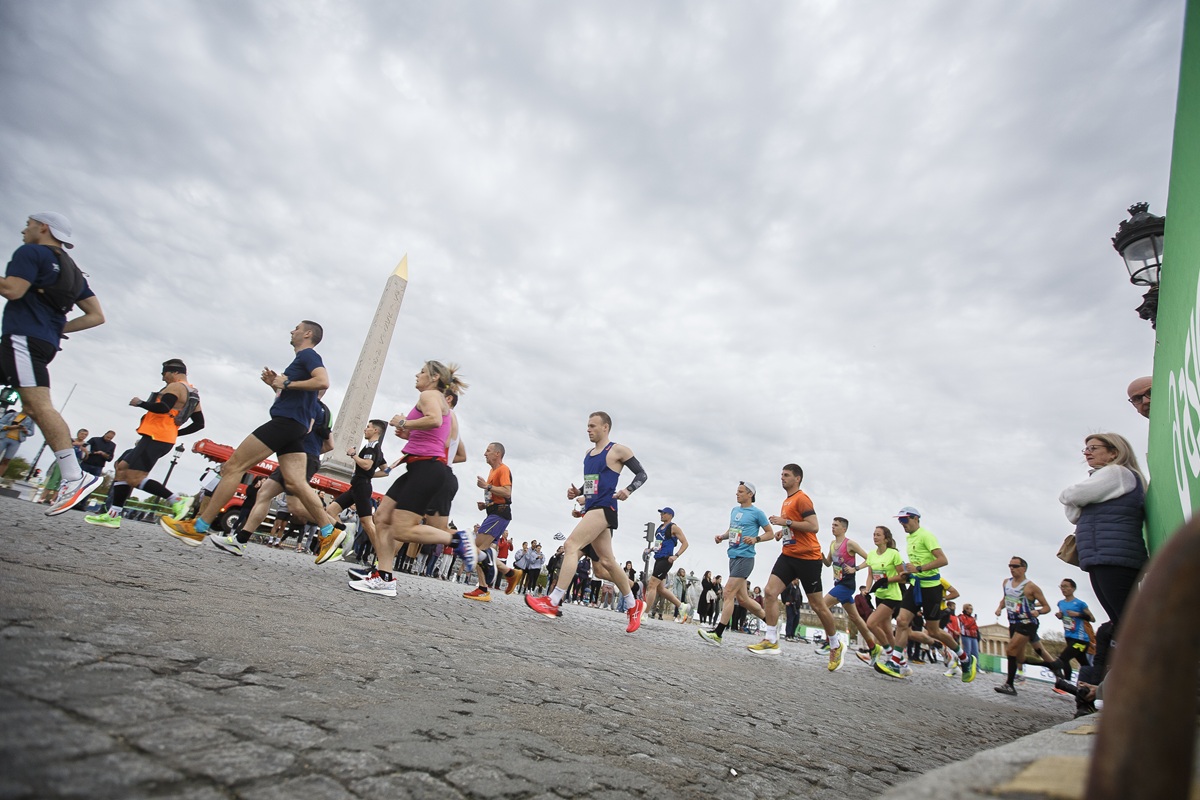
Running a Marathon Alone: 9 Tips to Stay Mentally Strong Until Kilometer 42
A marathon is rarely just about your legs.
Yes, there’s the training, the long runs, the nutrition plan, the pacing strategy, the months of preparation. But on race day, especially when fatigue starts building, another dimension takes over: your mindset.
And that mental side becomes even more important when you’re running alone.
No pacing partner. No friend next to you to lift you back up at kilometer 31. Sometimes not even a single loved one cheering you on along the course.
Yet this is exactly what many runners experience. Racing abroad, traveling to another city, family constraints, unavailable supporters… running a marathon alone is increasingly common.
The good news? It doesn’t mean you have to suffer through your race.
Here are 9 practical tips to stay mentally strong all the way to the finish line when running a marathon alone.
Why Running a Marathon Alone Is Mentally Harder
The loneliness of a marathon is very different from a solo Sunday morning run.
During a marathon, you spend several hours in a progressively fatigued state. Your brain tries to conserve energy, emotions fluctuate, and your perception of effort changes.
And when things get tough, the lack of immediate support can become very noticeable.
The classic moments often appear:
- km 18–22: early fatigue creeping in
- km 25–30: first doubts appearing
- km 30–35: energy drop or the infamous “wall”
- final kilometers: constant mental negotiation
The right approach is not to hope you’ll magically be mentally strong.
The real strategy is to train your mindset the same way you train your endurance.
1. Break Your Marathon Into Mini Races
One of the most common mistakes is constantly thinking about the final number: 42.195 km.
Your brain loves turning that into an impossible mountain.
A much more effective approach is to mentally divide the race.
For example:
- Start → km 10: settle in
- km 10 → halfway: manage effort
- Halfway → km 30: maintain rhythm
- km 30 → 37: battle mode
- km 37 → finish: full commitment
Suddenly, the challenge becomes far more manageable.
You’re no longer running “42 kilometers.”
You’re running the next section.
2. Prepare for Difficult Moments Before Race Day
Many runners only picture their ideal race.
Comforting? Yes.
Realistic? Not always.
Before your marathon, try asking yourself:
- What will I do if my pace falls apart?
- How will I react if motivation drops?
- What’s my plan if my legs feel heavy at km 32?
Preparing your answers beforehand prevents you from improvising under fatigue.
On race day, you recognize the problem.
More importantly, you already know what to do.
3. Use the Crowd’s Energy, Even If You’re Running Alone
Even without friends or family on course, you don’t have to run in isolation.
The crowd can become a powerful mental tool.
Simple techniques:
- regularly lift your head
- look for lively sections
- intentionally absorb the cheering
- use the atmosphere to improve posture and momentum
It may sound small.
But during a marathon, a slight mental boost can change several kilometers.
4. Create Mental Checkpoints Throughout the Course
Your brain likes landmarks.
Give it structure.
For example:
- km 10 → first assessment
- halfway → mental reset
- km 28 → nutrition focus
- km 35 → full commitment
- km 40 → finish mode
These checkpoints reduce the feeling of an endless race.
They create a thread to follow when fatigue starts blurring your perception of time.
5. Work on Your Inner Dialogue
Your brain will talk to you during a marathon.
The only question is: how?
For many runners, the internal dialogue quickly turns negative:
"I’m slowing down."
"This pace won’t hold."
"I started too fast."
Prepare a few short phrases before the race.
Not fake motivational slogans.
Realistic anchors.
Examples:
- Stay smooth.
- One more kilometer.
- Manage first, attack later.
- Keep moving forward.
The goal isn’t to eliminate difficulty.
The goal is to stop your brain from working against you.
6. Turn Every Aid Station Into a Mental Reset
Aid stations aren’t only about hydration.
They can become powerful psychological checkpoints.
At every station:
- breathe
- check posture
- hydrate
- scan your body
- make a decision for the next section
Instead of suffering continuously through fatigue, you create a sequence of mini resets.
This works particularly well when racing solo.
7. Accept Low Moments Without Panicking
This might be one of the best marathon lessons.
A difficult patch does not automatically mean your race is over.
Many runners immediately interpret a dip in morale as disaster.
In reality, sensations change constantly.
A bad km 31 can be followed by a strong km 34.
An energy crash can improve after fueling properly.
The goal isn’t to avoid every difficult moment.
The goal is to avoid overreacting emotionally when they happen.
8. Use Your Loved Ones… Even From a Distance
One of the hardest parts of a solo marathon can be surprisingly simple: the lack of human presence.
Because deep down, a race is not only about the finish time.
It’s also about encouragement.
A familiar voice.
An unexpected message arriving exactly when your legs start doubting.
And today, your supporters don’t necessarily need to be physically present on the course to be part of your race.
Some tools now allow runners to receive personalized encouragement at specific moments during their marathon.
That’s exactly the idea behind Cobbr: your loved ones record audio messages, and you can hear them at chosen kilometers during your race thanks to GPS triggers.
A message from your partner at km 18. A boost from a friend at km 30. Your family’s voice in the final stretch.
For some runners, hearing a familiar voice at the right moment can genuinely change the marathon experience.
If you'd like to discover how it works, you can check out Cobbr: https://cobbr.app
Because even when you run alone… you don’t necessarily want to feel alone.
9. Run for Something Bigger Than Your Finish Time
Goals matter.
But sometimes they aren’t enough when fatigue becomes overwhelming.
Define your “why” before race day.
It could be:
- a personal challenge
- a comeback after injury
- proving something to yourself
- a tribute
- a life goal
- a promise you made to yourself
When your mental state becomes fragile, reconnecting with that deeper reason can bring clarity back into the chaos of marathon racing.
A Solo Marathon Can Become a Strength
Running a marathon alone is not automatically a disadvantage.
It can also become a powerful experience.
More personal.
More introspective.
More free.
But that freedom requires one thing: preparing your mindset with the same seriousness as your physical training.
Break the race down.
Anticipate difficulties.
Create mental anchors.
Use your environment.
And don’t hesitate to keep your loved ones close… even when they’re hundreds of miles away.
Because in the end, a marathon is rarely a completely solitary adventure.
FAQ — Running a Marathon Alone
Is running a marathon alone harder?
For many runners, yes. The lack of a partner, direct support, or loved ones on the course can make the mental side of racing more demanding, especially after kilometer 30.
How do you stay motivated during a solo marathon?
Breaking the race into sections, using intermediate goals, preparing your inner dialogue, and creating mental checkpoints are all highly effective strategies.
How do you manage the mental battle around km 35?
Accept the difficulty, avoid panic, return to simple objectives (breathing, posture, next kilometer), and reconnect with your deeper motivation.
Can you receive encouragement during a marathon even if your loved ones aren’t there?
Yes. Some apps now allow runners to receive personalized encouragement during their race, helping them stay connected to friends and family from a distance.